Introduction
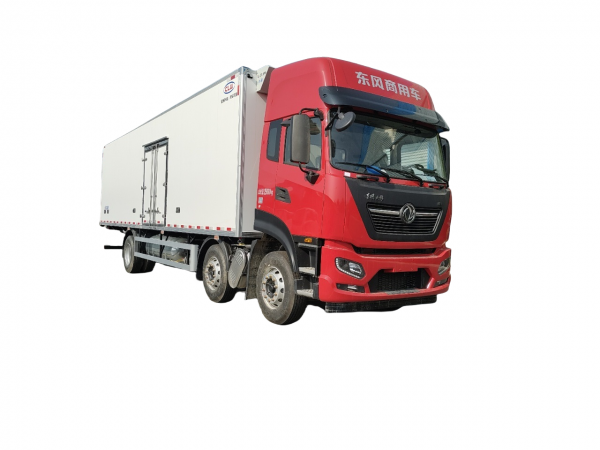
Boom trucks play a crucial role in various industries, including construction, telecommunications, utilities, and more. These versatile vehicles are equipped with a crane or boom that can lift heavy loads and reach heights that traditional equipment cannot. Managing a fleet of boom trucks efficiently is essential for ensuring optimal performance, reducing downtime, and maximizing cost savings. In this article, we will discuss key strategies and best practices for boom truck fleet management to help businesses improve their operations and achieve greater success.
1. Understanding the Importance of Boom Truck Fleet Management
Effective fleet management is essential for businesses that rely on boom trucks to carry out their operations. By properly managing a fleet of boom trucks, companies can ensure that their equipment is well-maintained, reliable, and available when needed. This helps to minimize downtime, increase productivity, and ultimately drive profitability.
Key aspects of boom truck fleet management include:
- Maintenance scheduling and tracking: Regular maintenance is critical to the performance and longevity of boom trucks. By implementing a proactive maintenance schedule and tracking system, fleet managers can ensure that all vehicles are serviced on time and in accordance with manufacturer recommendations.
- Driver training and safety: Proper training for boom truck operators is essential to prevent accidents, reduce liability risks, and ensure compliance with safety regulations. Fleet managers should provide ongoing training and support to drivers to help them operate boom trucks safely and efficiently.
- Asset tracking and utilization: Monitoring the location and usage of boom trucks can help fleet managers optimize their fleet size, identify underutilized vehicles, and make informed decisions about equipment deployment and replacement.
- Fuel efficiency and cost control: Managing fuel consumption is a key factor in controlling operating costs for boom truck fleets. By monitoring fuel usage, implementing fuel-saving strategies, and leveraging technology solutions, businesses can reduce fuel expenses and improve overall fleet efficiency.
2. Implementing Technology Solutions for Boom Truck Fleet Management
Technology plays a vital role in modern fleet management, providing tools and systems that can streamline operations, improve visibility, and drive better decision-making. When it comes to boom truck fleet management, businesses can benefit from a range of technology solutions, including:
- GPS tracking and telematics: GPS tracking systems enable fleet managers to monitor the location, speed, and performance of boom trucks in real-time. Dump truck operator training can provide valuable insights into vehicle usage patterns, driver behavior, and maintenance needs, helping businesses optimize fleet operations and reduce costs.
- Fleet management software: Specialized fleet management software solutions offer a centralized platform for tracking and managing boom truck fleets. These systems can help businesses schedule maintenance, track assets, monitor fuel consumption, and generate reports for analysis and decision-making.
- Mobile apps: Mobile applications can provide drivers and fleet managers with instant access to critical information and communication tools. From route optimization to electronic logs and maintenance alerts, mobile apps can enhance efficiency and productivity for boom truck fleets on the go.
- IoT sensors and predictive maintenance: Internet of Things (IoT) sensors can be installed on boom trucks to collect real-time data on vehicle performance and condition. By analyzing this data and implementing predictive maintenance strategies, businesses can proactively address maintenance issues before they escalate into costly repairs or downtime.
3. Best Practices for Boom Truck Fleet Management
To optimize the performance and efficiency of a boom truck fleet, businesses should follow best practices that align with industry standards and regulatory requirements. Some key best practices for boom truck fleet management include:
- Regular inspections and maintenance: Conducting routine inspections and maintenance checks is essential to keep boom trucks in top condition. Fleet managers should follow manufacturer guidelines and industry best practices to ensure that all vehicles are safe, reliable, and compliant with regulations.
- Driver training and certification: Proper training and certification for boom truck operators are crucial for ensuring safety and compliance. Fleet managers should provide comprehensive training programs that cover equipment operation, safety procedures, and regulatory requirements to help drivers perform their jobs effectively and responsibly.
- Compliance with regulations: Boom truck fleets are subject to various regulations and standards, such as OSHA requirements for crane safety and DOT regulations for commercial vehicles. Fleet managers should stay informed about regulatory changes, conduct regular audits, and ensure that their operations comply with all relevant laws and guidelines.
- Performance monitoring and reporting: Tracking key performance indicators (KPIs) can help fleet managers assess the efficiency and effectiveness of their boom truck fleet. By monitoring metrics such as fuel consumption, maintenance costs, downtime, and utilization rates, businesses can identify areas for improvement and implement strategies to enhance fleet performance.
- Continuous improvement and innovation: Fleet management is an ongoing process that requires continuous improvement and innovation. Businesses should stay abreast of industry trends, technological advancements, and best practices to drive operational excellence and achieve competitive advantage in the market.
4. Challenges and Opportunities in Boom Truck Fleet Management
While effective fleet management can bring numerous benefits to businesses, it also presents challenges and opportunities that require careful consideration. Some of the key challenges and opportunities in boom truck fleet management include:
- Rising operating costs: Fuel prices, maintenance expenses, and regulatory compliance costs can all contribute to the rising operating costs of boom truck fleets. To address this challenge, businesses can implement cost-saving measures, optimize fuel efficiency, and leverage technology solutions to reduce expenses and improve profitability.
- Talent shortage: The shortage of skilled boom truck operators and maintenance technicians can pose a significant challenge for fleet managers. To overcome this obstacle, businesses can invest in training programs, certification courses, and recruitment strategies to attract and retain qualified professionals in the industry.
- Sustainability and environmental impact: Boom truck fleets have a substantial environmental footprint due to fuel consumption and emissions. Businesses can address this challenge by adopting eco-friendly practices, such as using alternative fuels, implementing idle reduction policies, and investing in electric or hybrid vehicles to reduce their carbon footprint and promote sustainability.
- Data security and cybersecurity: As technology solutions become more prevalent in fleet management, businesses must address data security and cybersecurity concerns to protect sensitive information and prevent cyber threats. By implementing robust security measures, encryption protocols, and monitoring systems, companies can safeguard their data and ensure the integrity of their fleet operations.
5. Conclusion
Optimizing boom truck fleet management is essential for businesses to achieve efficiency, cost savings, and operational excellence. By implementing best practices, leveraging technology solutions, and addressing challenges proactively, companies can enhance the performance and reliability of their boom truck fleets and drive greater success in their operations. With a focus on safety, compliance, and continuous improvement, businesses can maximize the potential of their boom truck fleets and stay competitive in an ever-evolving industry landscape.
In conclusion, effective boom truck fleet management requires a strategic approach, attention to detail, and a commitment to excellence. By prioritizing maintenance, safety, compliance, and innovation, businesses can unlock the full potential of their boom truck fleets and achieve sustainable growth and success in a competitive market environment.